Sarasota Medical Acupuncture is an appointment only health facility.
If you would like to schedule an appointment, please give us a call at 941-555-1212.
Please email us at : info@SarasotaMedicalAcupuncture.com
Sarasota Medical Acupuncture is an appointment only health facility.
If you would like to schedule an appointment, please give us a call at 941-555-1212.
Please email us at : info@SarasotaMedicalAcupuncture.com
Sarasota Medical Acupuncture is an appointment only health facility.
If you would like to schedule an appointment, please give us a call at 941-555-1212.
Please email us at : info@SarasotaMedicalAcupuncture.com
Sarasota Medical Acupuncture is an appointment only health facility.
If you would like to schedule an appointment, please give us a call at 941-555-1212.
Please email us at : info@SarasotaMedicalAcupuncture.com
Sarasota Medical Acupuncture is an appointment only health facility.
If you would like to schedule an appointment, please give us a call at 941-555-1212.
Please email us at : info@SarasotaMedicalAcupuncture.com
Sarasota Medical Acupuncture is an appointment only health facility.
If you would like to schedule an appointment, please give us a call at 941-555-1212.
Please email us at : info@SarasotaMedicalAcupuncture.com
Sarasota Medical Acupuncture is an appointment only health facility.
If you would like to schedule an appointment, please give us a call at 941-555-1212.
Please email us at : info@SarasotaMedicalAcupuncture.com
Sarasota Medical Acupuncture is an appointment only health facility.
If you would like to schedule an appointment, please give us a call at 941-555-1212.
Please email us at : info@SarasotaMedicalAcupuncture.com
Sarasota Medical Acupuncture offers natural medical care using manual acupuncture, electro-acupuncture, Chinese herbal medicine, injections of B12 and homeopathic medicine, auricular medicine, fire cupping, food therapy, and life style counseling. We help you begin and maintain a new step towards a healthier, happier, more balanced life.
Acupuncture can treat symptoms associated with:
Back Pain • Digestive Issues • Fatigue • Neck Pain • Women’s Health
Anxiety • Migraines / Headaches • Constipation • Depression • Insomnia
IBS • Hypertension • Shoulder / Knee Pain • Carpal Tunnel • Leg Edema
Tinnitus • Arthritis • Some Eye Disorders • Peripheral Neuropathy
Urinary Incontinence • Urinary Retention • Bell's Palsy

ADVANCED NEURO CENTER
NEW LOCATION
664 S. Tamiami Trail
Osprey, FL 34229

Office Hours
Monday - Friday
8:00am - 5pm
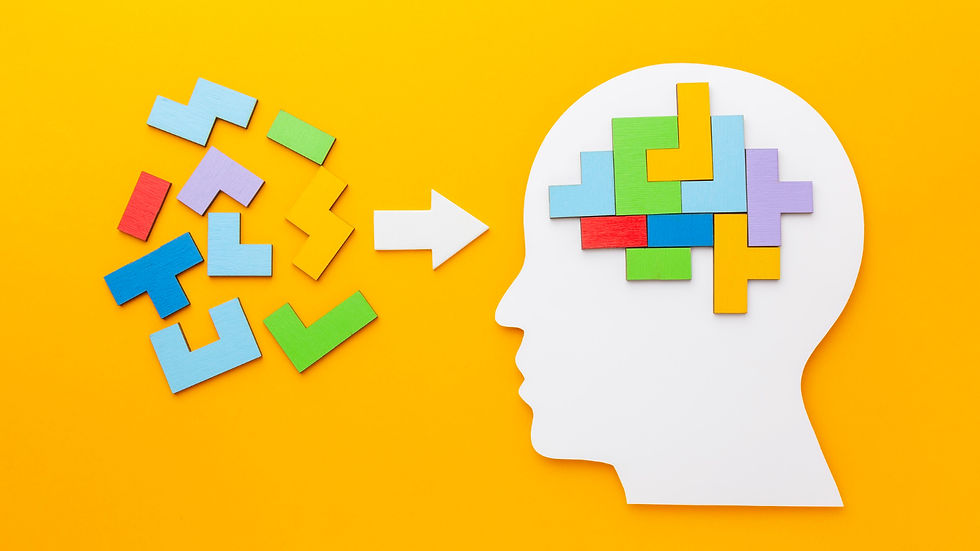
Treatment Therapies for Parkinson’s, Multiple Sclerosis & Mild Cognitive Impairment
At Advanced Neuro Center, we specialize in helping patients improve function and quality of life while living with complex neurological conditions.
Our approach combines functional neurology assessments with therapies designed to support brain-body communication, improve stability, and address symptoms that interfere with daily life.
Every patient is evaluated individually to identify nervous system deficiencies and areas of dysfunction, so care can be personalized and progress can be measured over time.
Note: Care is supportive and individualized. Results vary based on diagnosis, severity, and overall health.
How We Approach Neurological Conditions
Your care plan may include a combination of therapies that aim to:
-
Improve balance, coordination, and gait stability
-
Support cognition, attention, and processing speed
-
Reduce pain, stiffness, and movement difficulty
-
Promote circulation and nervous system regulation
-
Encourage neuroplasticity through targeted sensory input and exercises
Parkinson’s Disease Support
Common goals we focus on
-
Better balance and stability
-
Reduced tremor impact (when possible)
-
Improved gait, posture, and coordination
-
Support for stiffness, mobility, and movement initiation
-
Improved confidence with walking and daily activities
Therapies often helpful for Parkinson’s symptoms
-
Neuro-Acupuncture Specialized acupuncture informed by neuroanatomy and neuroscience; may be used on scalp/body/ears to help neuro-modulate the nervous system.
-
Vibration Therapy Uses mechanical vibration to stimulate nerves and muscles and help support circulation, strength, balance, and stability.
-
Brain Based Physical Exercises Targeted movements and mobilization techniques designed to “rewire” improved spatial awareness and balance.
-
Gravity Reset A vestibular/visual/somatosensory balance strategy designed to reduce dizziness, unsteadiness, and fall-risk patterns.
-
Colored Light Therapy Uses specific color input (via lenses) to help balance the central nervous system and may be used for tremors and other neurological symptoms.
-
Laser Re-Education Training Supports body mapping and proprioception (body awareness) to improve balance and body position sense.
-
Kinesio Taping May support joint stability, proprioception feedback, gait function, and fall prevention.
Multiple Sclerosis Support
Common goals we focus on
-
Balance and coordination support
-
Improved gait confidence and stability
-
Support for sensory changes (numbness/tingling)
-
Help addressing fatigue patterns (where appropriate)
-
Better body awareness and movement efficiency
Therapies often helpful for MS-related challenges
-
Functional Neurology Testing and assessing how different brain regions and systems interact, helping identify functional weaknesses to target in care plans.
-
Red Light Therapy / PBM (Photobiomodulation) Non-invasive near infrared red light therapy aimed at supporting mitochondrial ATP production, reducing inflammation and oxidative stress, and improving cerebral blood flow (where appropriate).
-
Electrical Stimulation (E-Stim) Electrode-based stimulation that can support therapeutic goals like pain relief, muscle activation, strengthening, and circulation.
-
Electro-Magnetic Therapy Used to support peripheral nerve discomfort and proprioception-related gait function.
-
Brain Based Physical Exercises Helps target balance, coordination, and spatial mapping through specific sensory-motor inputs.
-
Laser Re-Education Training Supports proprioception and body mapping to help improve stability and coordination.
-
Gravity Reset Designed to address dizziness, unsteadiness, and balance instability by recalibrating sensory systems.
-
Natural Herbal Medicine (as appropriate) Custom, in-house herbal strategies may be used to support symptoms such as anxiety, headaches, and other quality-of-life concerns when appropriate.
Mild Cognitive Impairment Support
Common goals we focus on
-
Improved attention and focus
-
Better mental clarity and processing
-
Memory support strategies
-
Support for stress response and sleep quality (where relevant)
-
Strengthening brain networks through targeted stimulation
Therapies often helpful for cognition and brain-network support
-
Cognitive Neuro Techniques Therapies such as brain games, eye movements, sound, and other sensory input to access networks responsible for attention, memory, focus, and cognition.
-
Functional Neurology Assesses how brain regions interact, helping identify which systems need targeted stimulation and training.
-
Red Light Therapy / PBM (Photobiomodulation) May support brain metabolism and blood flow through non-invasive light-based support.
-
Colored Light Therapy Uses specific light input to influence nervous system balance and regulation.
-
Neuro-Acupuncture May support nervous system modulation and overall regulation as part of a broader plan.
-
Brain Based Physical Exercises Movement-based neuro exercises can support cognition by engaging sensory-motor brain networks.
What to Expect
-
Initial evaluation to identify functional strengths/deficits and set measurable goals
-
A customized care plan using a combination of therapies
-
Periodic re-checks to track progress and adjust your plan
Ready to explore a personalized care plan?
Call Advanced Neuro Center to schedule an appointment today.